Why Philly Businesses Are Upgrading to Touchless Egress Doors
What is meant by touchless egress on Philadelphia commercial properties
Touchless egress means a person can exit a building or a tenant space without grabbing a handle or pushing a bar. The door opens automatically when a sensor or a wave-to-open switch detects intent to exit. A sensor is an electronic device above or beside a door that reads motion or presence and tells the operator to open. A wave-to-open switch is a wall plate with a proximity reader that triggers the door when a hand approaches. On swinging doors, a low-energy operator powers the door leaf. A low-energy operator is a compact motor unit that mounts at the door header and opens the door at a controlled speed that meets safety limits. On sliding doors, a header assembly contains a motor, a belt, and rollers that move the panels. These systems must still satisfy means-of-egress rules, including safe breakout or manual opening during an emergency.
In Philadelphia, touchless egress shows up in retail vestibules, restaurant entries, medical office corridors, Class A office lobbies, multi-tenant restrooms, bank branches, and university buildings in University City and Center City. The draw is simple. Clean hand-off, smoother throughput, and better ADA access on crowded corridors like Walnut Street, Chestnut Street, Market Street, and South Street where stores see heavy daily cycle counts. Many facilities started during the pandemic. Many are staying with it because it reduces complaints, lowers door damage from slamming, and protects door hardware from constant grabbing and twisting.
Why Philadelphia businesses are moving fast on touchless upgrades
The Philadelphia commercial corridor is hard on doors. Busy blocks in Rittenhouse, Old City, Northern Liberties, and Fishtown push doors from 500 to more than 3,000 cycles per day in peak seasons. A door cycle is a single open and close. That volume wears closers, pivots, and latch hardware fast. Touchless egress shifts that load to a purpose-built operator. A controlled open and close reduces hydraulic shock on a closer and reduces impacts that bend frames and crack thresholds. It also reduces customer bottlenecks at narrow vestibules along East Passyunk Avenue and South Street during lunch and evening rush.
Philadelphia’s climate adds another push. The city sits in ASHRAE Climate Zone 4A with hot, humid summers and freeze-thaw winters. Summer days above 90F degrade hydraulic door closer fluid quicker than in cooler markets. Winter cold snaps below 20F thicken that same fluid and stress seals. Operators and sensors avoid many of the minor impact hits that cause closer seal failures. That is why many facilities that once serviced closers every few months are now switching to automatic swing operators or sliding packages for the main door sets and keeping manual doors for secondary exits.
Where touchless egress pays back on typical Philadelphia buildings
Historic main street storefronts in Old City, Manayunk’s Main Street, and along Germantown Avenue often have narrow aluminum doors with offset pivots. An offset pivot hinge is a top and bottom pivot pin that carries the door weight near the corner instead of side-mounted butt hinges. These doors sag and drag after years of abuse. A low-energy swing operator with new pivots and an Adams Rite deadlatch keeps the leaf on track and reduces the daily grind that leads to sag. In Center City office towers with Kawneer Trifab storefront vestibules, automatic sliding packages handle higher throughput and lower the force needed to pass through the vestibule with a cart or briefcase. On medical campuses around Penn Medicine, CHOP, Jefferson Health, and Temple Health, touchless egress in corridors and restrooms reduces cross-contact and improves ADA compliance.
Warehouse offices and lab entries at the Navy Yard and near the Port of Philadelphia get steady equipment and cart traffic that pounds manual doors. An automatic swing operator with a reinforced header protects frames from shove damage. In Northeast retail plazas along Roosevelt Boulevard and Cottman Avenue, sliding vestibules with automatic activation keep the HVAC load more stable compared to manual propped doors. This matters in a Zone 4A climate where cooling systems fight humid air all summer.
Two common touchless egress paths in Philadelphia
There are two primary pathways to touchless egress on commercial projects in the city and the suburbs. The first is a low-energy automatic swing operator on an existing aluminum storefront door. A low-energy operator opens the door at a limited speed and force that meets ANSI A156.19. ANSI A156.19 is the safety standard that sets performance and safety requirements for low-energy swinging doors. Activation can be a wave-to-open switch or a motion sensor with presence detection. Presence detection is the ability to see a person who is close to the door and slow or stop movement to prevent contact. The second is a full automatic sliding entrance that meets ANSI A156.10. ANSI A156.10 is the standard for power-operated pedestrian doors, including sliding doors. Sliding packages use approach sensors, safety beams, and breakout panels that swing out under panic force for egress as required by code.
In many Philadelphia storefronts with narrow stiles, the retrofit choice depends on jamb width, header structure, and egress classification. Narrow stile means the aluminum vertical member of the door is about 2-1/8 inches wide. That limitation affects how well the door accepts an electrified latch or how an operator arm attaches. Where structure is light, a surface-applied operator may be best. Where a vestibule needs higher throughput and reduced stack depth, a sliding package with a Record USA, Horton Automatics, Besam ASSA ABLOY, or Stanley assembly may make more sense.
Code and safety framework for touchless egress in Philadelphia
Local projects tie into a clear set of rules. The International Building Code Chapter 10 governs means of egress. NFPA 101 Life Safety Code also applies in many occupancies. Automatic sliding doors must meet ANSI A156.10. Low-energy swing operators must meet ANSI A156.19. Automatic door systems should be commissioned and regularly checked by AAADM-certified technicians. AAADM is the American Association of Automatic Door Manufacturers. Their certification is the industry baseline for training and inspection of automatic door safety equipment and functions. Touchless systems also tie into the Americans with Disabilities Act door force targets. ADA door force targets set a 5 lbf guideline for many interior doors, which means doors should open easily. Automatic systems help meet access needs when wind loading and stack pressure make manual doors heavy.
Philadelphia projects run through the City of Philadelphia Department of Licenses and Inspections, and work must follow the Pennsylvania Uniform Construction Code. For fire-rated egress paths, the door and frame must maintain rating and self-latching, and any automatic operator must fail safe to allow manual opening on power loss. Fail safe means the door reverts to a safe condition when power is lost. That often involves a mechanical clutch that releases the arm. Panic hardware such as Von Duprin 98 or 99 Series on exit doors must still unlatch with a single motion. A wave-to-open cannot replace life safety hardware. It is an activation aid, not the latch itself.
Hardware integration that makes or breaks a Philadelphia retrofit
Successful touchless upgrades on existing aluminum storefronts rely on clean integration with existing brands and hardware. Many Center City and suburban properties use Kawneer Trifab 350, 400, 450, or 500 frames, Tubelite T14000 or T24000 series, YKK AP YES 45 XT or YES 60 XT, or legacy Vistawall and US Aluminum systems. A compatible pivot package matters. The Kawneer TH1118 offset pivot set and the 050331 intermediate pivot are standard on many narrow stile doors. An intermediate pivot is a middle support used on tall doors to reduce flex. If these pivots are worn, a new operator will still struggle because the leaf will bind. Pivot bearings should be tight and aligned before operator commissioning.
Locking also matters. The Adams Rite MS1850 series deadbolt is common in Philadelphia storefront doors. A deadbolt is a solid steel bolt that throws into a strike and resists prying. For touchless egress, a narrow stile deadlatch and an electric strike allow powered release when a sensor or access control grants exit. An electric strike is a powered latch keeper in the frame that swings out of the way during activation. Many retail doors with panic bars shift to a Von Duprin rim exit device with an electric latch retraction kit when tied to access control and touchless activation. Electric latch retraction pulls the latch for a moment so the leaf can swing free under operator power. On fully automatic sliding doors, sensor placement and safety beams must align to ANSI A156.10. Safety beams are infrared lines at the threshold that stop a door if a person or cart is in the path.
Philadelphia climate and urban grit shape maintenance choices
Touchless systems reduce handle wear, but maintenance remains essential. Belts on sliding doors stretch under Center City cycle counts. A belt is the reinforced loop that transfers motor motion to the sliding panel rollers. Sensor lenses pick up road film on Chestnut Street and Market Street. Road film means the fine layer of black grit from traffic and buses that coats surfaces. Operators need re-checks after summer heat waves that cause aluminum headers to move slightly, shifting clearances. Winter freeze-thaw, which the city experiences many dozens of times per season, stresses thresholds and sweeps. A sweep is the flexible strip at the door bottom that seals against drafts. In South Philadelphia and East Passyunk, where salt use is heavy, bottom pivot bearings see corrosive attack and can seize. A seized pivot is a pivot that will not turn and forces the operator to push through, which shortens motor life if not corrected.
A practical schedule in Philadelphia puts automatic swinging and sliding entrances on quarterly or semi-annual service depending on traffic. Quarterly suits high-traffic retail near Rittenhouse in 19102 and 19103, Old City in 19106, Northern Liberties in 19123, Fishtown in 19125, and Fairmount in 19130. Semi-annual service suits office parks in King of Prussia 19406, Conshohocken 19428, and Bala Cynwyd 19004. Annual service is often fine for low-traffic back-of-house doors. Each visit should verify sensor detection zones, header fasteners, pivot condition, operator arm torque, and any electrified hardware timing. Timing is the delay used so the latch releases before the operator pushes the leaf.
Common repair patterns on automatic doors across the Delaware Valley
Automatic sliding door repair calls in Philadelphia often come from belt fray, motor wear, sensor misalignment, and track contamination. Track contamination is debris in the bottom guide track that causes grinding or stall. The Record USA Series 8000 sliding platform is common in the city. The assembly uses approach sensors that watch for people moving toward the door and presence sensors that watch the threshold. When those sensors drift, the door can stay open too long or close early. On swinging doors with low-energy operators from brands like Record, Stanley, Horton, or Besam ASSA ABLOY, arm set screws and header mounting bolts can loosen under vibration. That shows up as a door that hesitates or stops short. Simple re-torque and recalibration often restore performance. If a facility added a wave-to-open switch but kept a worn closer that leaks oil, the closer can fight the operator. A hydraulic door closer is the spring-and-oil device that pulls a door closed. If it leaks oil, the damping is gone and the emergency commercial door repair door will slam or lag. Pairing the operator with a compatible closer setting or a check-swing device avoids this fight.
On storefronts with electrified exit devices near stadium traffic at the Sports Complex, repeat service calls come from out-of-sync latch retraction and operator start times. An operator should not start pushing until the latch is free. Good practice in Philadelphia is to program a short delay between activation and operator start, verify battery backup where used, and test fail open on power loss if the application calls for free egress.
Retrofit considerations for aluminum storefront systems
Most Philadelphia storefront retrofits do not require full frame replacement. Aluminum storefront system frames from Kawneer, Tubelite, YKK AP, Vistawall, or US Aluminum have long service lives. The door leaves, pivots, thresholds, and operators are replaceable components. A solid retrofit focuses on three checks before committing to an operator. First, confirm the header can accept reinforcement. The header is the horizontal member above the door. Operators need a rigid mount. Second, confirm stile width. If it is a narrow stile at 2-1/8 inches, plan hardware that fits that dimension, such as an Adams Rite narrow stile deadlatch. Third, confirm threshold and floor condition. An uneven threshold in older stock on South Street or Frankford Avenue can create drag that overwhelms a low-energy operator. A new aluminum threshold with proper shims brings it back into spec. A shim is a thin material used to level and align.
For pairs, a door coordinator is sometimes needed. A door coordinator is a device on double doors that controls which leaf closes first so an astragal or latch aligns. If one leaf closes too soon, the latch can hit and bounce. On pairs with surface vertical rod exit devices, make sure touchless activation accounts for top and bottom latches. Where a vestibule has high negative pressure from HVAC, consider higher torque operators or sliding doors that reduce the pressure impact.
Hygiene, customer experience, and throughput on Philadelphia corridors
Touchless egress reduces hand contact on door surfaces. That improves the customer experience in restaurants from Queen Village and Bella Vista through Graduate Hospital and Point Breeze, where entries are tight and guests cluster during peak times. It also lowers cleaning load on handles and push plates. On Walnut and Chestnut Streets, where shoppers carry bags, not having to push a heavy door means smoother flow into and out of narrow vestibules. In University City 19104, where lab coats and carts move constantly, touchless egress reduces equipment bumps and glass panel breakage. For building managers in 19142 near A-24 Hour Door National Inc.’s Greenway Avenue base in Elmwood and Eastwick, touchless restrooms in multi-tenant buildings reduce maintenance calls from misaligned latch strikes and stuck door handles.
Philadelphia-specific insight that saves time and budget
On Center City blocks that face west and see strong afternoon sun, EPDM bulb gaskets on storefronts age fast. An EPDM bulb gasket is the soft rubber tube at the door stop that seals air. Replacing gaskets during a touchless upgrade prevents air leaks that force operators to work harder. On entrances exposed to road salt in South Philadelphia and along Delaware Avenue, bottom pivot bearings seize more often. Upgrading to new offset pivots during a low-energy swing operator installation avoids motor strain. A local service contractor that stocks Kawneer TH1118 pivot sets, LCN and Norton closers for compatibility, and Record sliding door parts will finish upgrades in a single visit more often than a general glazier who must return with automatic sliding door repair service parts later. That difference matters on high-cycle corridors where a door down for a day means lost sales and staff time at the threshold.
How service scope and cost usually line up in Philadelphia
Costs vary by door size, frame condition, brand, finish, and whether access control is involved. A retrofit that reuses a sound aluminum frame and door leaf is materially different from a full sliding entrance with new header and safety package. Adding electrified hardware such as an electric strike, a power transfer, and card access increases wiring and commissioning time. The market generally sees touchless swing retrofits on the lower end of the automatic entrance range and full sliding entrances on the higher end. Exact pricing requires an on-site evaluation, measurements, and a check of power availability at the header.
Scope on a typical Philadelphia touchless swing project includes pivot inspection and replacement if worn, threshold and sweep check, operator mounting with header reinforcement, sensor or wave-to-open placement with ADA reach range, and latch timing with access control if present. On a sliding project, scope includes header mounting, belt and motor setup, roller adjustment, approach and presence sensor calibration, safety beam testing, and breakout function verification for egress. Commissioning must document compliance with ANSI A156.19 for swing or ANSI A156.10 for sliding, along with AAADM inspection and a report for building records.
Inventory and response that keep retail and medical doors moving
Downtime on Philadelphia commercial doors has direct cost. A storefront jam on Frankford Avenue during evening traffic or a clinic corridor near Penn Medicine during morning appointments is not a minor issue. A stocked service truck with operator arms, sensors, BEA or Optex activation plates, Adams Rite narrow stile deadlatches, Von Duprin rim device parts, Kawneer TH1118 pivot sets, and tempered glass blanks in common sizes helps close tickets fast. For sliding systems, belts, rollers, and motor controllers for Record USA and similar brands reduce wait time. On break-in damage, a board-up the same day followed by next-day tempered or laminated safety glass replacement is the workflow many Center City and South Philly operators expect.
Emergency commercial door repair is a real part of touchless egress planning. Sensors fail, power supplies trip, and vehicles strike vestibule glass. A 24/7 dispatch model that covers Old City 19106, Washington Square West 19107, Kensington 19134, Frankford 19124, Graduate Hospital 19146, Queen Village 19147, East Passyunk and South Philadelphia 19148, and the Far Northeast 19154 keeps properties secure when something breaks after hours. A single-visit resolution with OEM parts avoids the two-trip minimum many general service outfits need.
Brand landscape seen most often in the Philadelphia metro
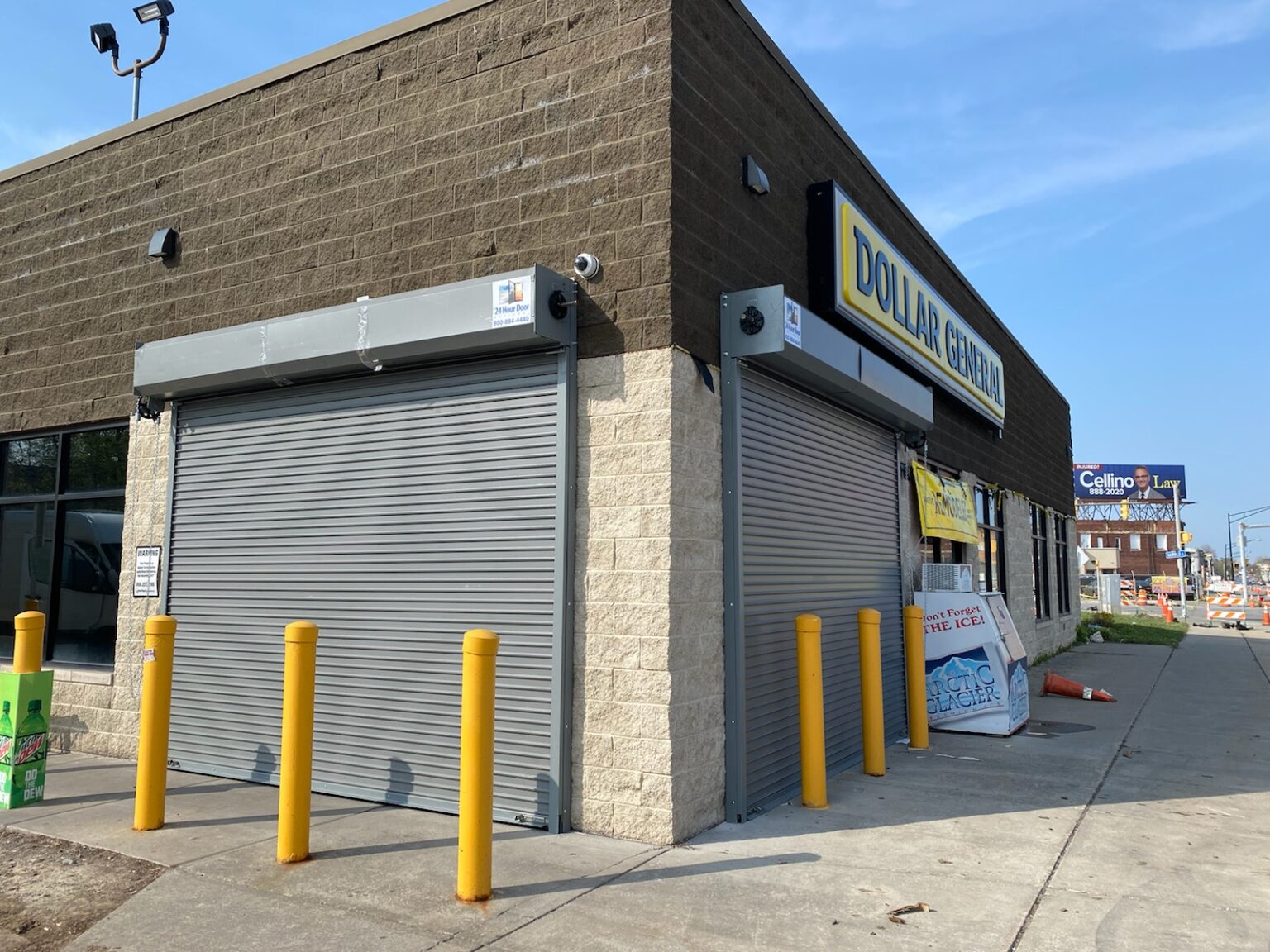
Philadelphia properties show a consistent mix of storefront and automatic door brands. On the storefront side, Kawneer, Tubelite, YKK AP, Vistawall, and US Aluminum dominate. On the automatic side, Record USA assemblies are common, with Horton Automatics, Stanley, and Besam ASSA ABLOY also well represented. Sensor packages often use BEA or Optex. Closer compatibility on adjacent manual doors leans to LCN 4040 series and Norton 1600 or 8000 series. Panic hardware on egress doors often uses Von Duprin 98 or 99 series with options for electric latch retraction where tied to access control. Locks and latches on narrow stile doors stay in the Adams Rite family, especially the MS1850 deadbolt for night security and the narrow stile deadlatch for daily operation with an electric strike.
Knowing which brands fit which frame systems helps keep retrofits clean. For example, a Kawneer 190 narrow stile leaf needs reinforcement plates for certain operator arms. A Tubelite T14000 frame may accept a low-energy operator without extra blocking, but a site check still matters because historic buildings along Chestnut and Walnut often have non-standard backing. In the suburbs, mixed-use properties in West Chester 19380 and Exton 19341 often combine sliding entrances for main lobby traffic with low-energy swing operators on side corridors. The right combination depends on throughput, energy goals, and security layers.
Risk, liability, and documentation that matter to facility managers
Touchless egress reduces hand contact and impact risk, but facility managers still carry duty-of-care responsibilities. AAADM inspection at startup and annually documents that sensors, approach zones, and safety beams function as intended. ANSI references belong in the file. If an incident occurs, a clean log of commissioning and periodic checks matters. For fire-rated paths, NFPA 101 requirements for unlatching with one motion and no special knowledge still apply. A wave-to-open plate is a convenience, not a substitute for egress hardware. The City of Philadelphia L+I expects licensed work. Pennsylvania contractor license records are public, which places a premium on hiring licensed contractors for anything tied to egress and access control.
Choosing between sliding and swing for Philadelphia conditions
There is no single correct answer. Sliding doors excel where traffic is steady and vestibule depth allows the header and pocket clearances. They reduce the impact of air pressure and offer wide access for carts and strollers. They also carry more moving parts. Swinging operators work well where the opening is narrow, the frame is sound, and the primary goal is touchless ADA egress rather than high-throughput entry. On windswept corners near the Delaware River or along the Ben Franklin Bridge approach, sliding packages typically handle stack pressure better. On narrow restaurants along East Passyunk, a low-energy swing with wave-to-open plates on both sides maintains character without giving up function.
Planned maintenance that protects automatic door investments
After a touchless upgrade, planned service avoids nuisance downtime. Typical items on a Philadelphia service program include belt and roller wear checks for sliding doors, torque and stop checks on swing operators, sensor lens cleaning, recalibration after seasonal temperature changes, pivot bearing lubrication, weatherstripping inspection, and threshold alignment. Spring visits catch issues before the humid stretch drives heavier use and summer expansion. Fall visits catch misalignments before freeze-thaw cycles grow gaps. Many multi-site operators in Philadelphia, Montgomery County, Bucks County, Delaware County, and Chester County tie these checks to quarterly or semi-annual intervals. That schedule lines up with actual stress patterns across the Delaware Valley.
Why Philadelphia businesses call A-24 Hour Door National Inc. For touchless egress
A-24 Hour Door National Inc. Operates as a Philadelphia-based commercial door contractor at 6835 Greenway Ave, Philadelphia, PA 19142. The company serves Center City, Old City, Northern Liberties, Fishtown, University City, South Philadelphia, the Northeast, and the suburbs across Montgomery, Bucks, Delaware, and Chester counties, plus Camden County and New Castle County. AAADM-certified technicians handle automatic sliding and swinging systems under ANSI A156.10 and A156.19. Service trucks are stocked for single-trip solutions, including pivots, closers, operators, sensors, Adams Rite hardware, Von Duprin exit device components, and Record USA parts. OEM replacement parts are standard, and work is backed by a satisfaction guarantee. The firm brings more than 30 years of experience in the commercial door service market and holds Pennsylvania contractor license #PA078819.
Facilities call for three reasons. First, 24/7 emergency dispatch across Philadelphia means fast stabilization on sensor faults, belt failures, or break-ins that require board-up. Second, factory familiarity across Kawneer, Tubelite, YKK AP, Vistawall, and US Aluminum storefront systems keeps retrofits tight and within brand tolerances. Third, automatic sliding door repair and low-energy swing operator service happen with AAADM-trained eyes on safety zones, which aligns with risk management requirements for office, healthcare, retail, and hospitality. For immediate dispatch, scheduled diagnostics, or a touchless egress upgrade review in 19102, 19103, 19106, 19107, 19123, 19125, 19130, 19146, 19147, 19148, 19104, 19134, 19124, or anywhere in the Delaware Valley, call A-24 Hour Door National Inc. At (215) 654-9550 or the national line at (800) 884-4440. More information is available at https://a24hour.biz/philadelphia/.